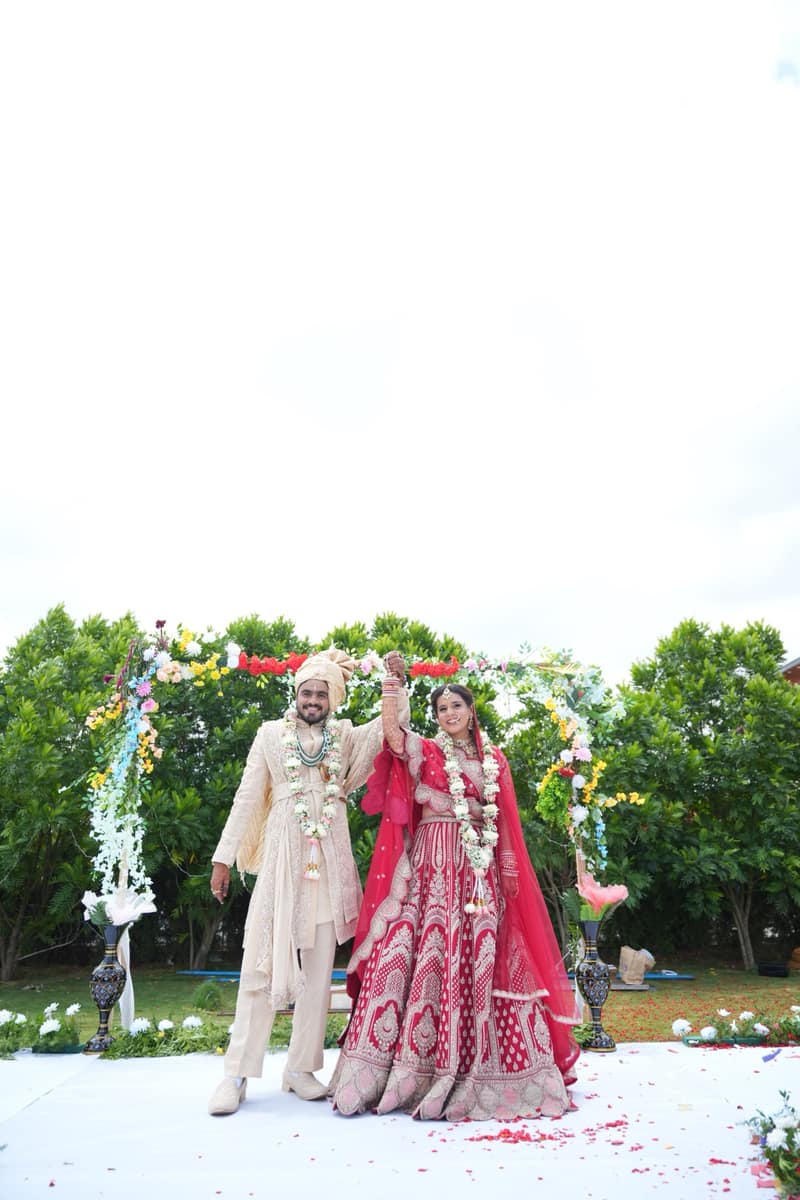
Three Festivals, One Week, One Wardrobe
Depending on where your family is from, the same week in the middle of January is Makar Sankranti, Pongal, Lohri or Uttarayan. The rituals differ sharply; the wardrobe question barely does. Each one asks for a mid-weight kurta, a layer for a cold start, and cloth that survives a day spent largely outdoors.
| Festival | Where | What it asks of the outfit |
|---|---|---|
| Makar Sankranti | Karnataka and much of India | Cream, ivory and gold with mustard accents; layered for a dawn start |
| Pongal | Tamil Nadu | Silk veshti and angavastram for the main day, simpler kurta for visiting |
| Lohri | Punjab and the north | Warmth, and fabric that is safe near a bonfire |
| Uttarayan | Gujarat | Clothes you can move and sweat in on a terrace all day |
Why Do You Need Layers in Bengaluru?
Mid-January brings the coolest mornings of the Bengaluru year, and every one of these festivals starts early. The mistake is treating a festive kurta as a single garment. A two-piece system works better: a mid-weight kurta, plus a layer chosen for the hour rather than the look.
- Bundi or Nehru jacket: the most useful layer. Adds structure in photographs and comes off without ceremony.
- Shawl: traditional, warm, easy to shed, and the right answer for Lohri.
- Waistcoat: warmer than it looks, and less bulky than a jacket when you are seated.
What Is Worn for Pongal?
The traditional Pongal look is a silk veshti with an angavastram over a silk shirt or kurta, usually cream or off-white with a gold border. Across the four days, only Thai Pongal really needs the good clothes: Bhogi involves clearing out and burning, Mattu Pongal honours cattle, and Kaanum Pongal is for visiting. If you are having one thing made, make it the Thai Pongal set.
What Should You Wear to a Lohri Bonfire?
A fitted kurta rather than a loose one, a waistcoat or Nehru jacket for warmth and structure, and a shawl you can drape and control. Avoid loose stoles, trailing ends and synthetic fabric near the fire: synthetics melt rather than char, and anything that hangs is a hazard in a crowd circling a bonfire. Darker tones earn their place here, because embers and ash are part of the evening.
Which Fabrics Work Best in January?
- Cotton-silk: the workhorse. Warm at dawn, breathable by noon, festive in photographs.
- Raw or matka silk: matte, textured, slightly warmer, and a good base for restrained embroidery.
- Pure silk: for the main day, where you are seated and photographed.
- Avoid: heavy zari for kite flying, and synthetics near any flame.
Can One Kurta Cover All Three?
Yes, and it is the sensible plan. A mid-weight cream or ivory cotton-silk kurta, cut mid-thigh, with a separate bundi in a contrasting cloth, covers every version of the week. With the bundi at a dawn Sankranti puja it reads traditional; open at a Pongal lunch it reads relaxed; with a shawl instead at a Lohri bonfire it reads northern. The same set carries into a daytime engagement or a temple visit for the rest of the year.
What Does It Cost, and How Long Does It Take?
| Garment | From | Typical range | Lead time |
|---|---|---|---|
| Designer Kurtas & Bundi Sets | ₹5,500 | ₹5,500 – ₹25,000+ | 1–2 weeks (4–8 weeks if hand-embroidered) |
Our published starting prices and typical ranges, plus the usual studio lead time before the fitting. Every commission is quoted individually at the consultation, because cloth, construction and the hours of hand embroidery move the figure more than anything else. Unstitched silks such as a veshti, panche or mundu are not included.
How Early Should You Order?
| What you want | How long it takes | When to start |
|---|---|---|
| Plain cotton or cotton-silk kurta | 1 to 2 weeks, plus the fitting | 3 weeks ahead |
| Kurta with a bundi or Nehru jacket | 2 to 3 weeks | 4 to 5 weeks ahead |
| Hand-embroidered silk kurta | 4 to 8 weeks | 2 months ahead |
Bespoke kurta sets at our Basavanagudi studio start from ₹5,500 and run to ₹25,000 and beyond, depending on cloth and how much of the garment is worked by hand. Every kurta is drafted from roughly 20 to 25 of your own measurements and cut from our own fabric library. One fitting is standard before the garment is finished, and alterations are covered for one month after delivery or until the garment has been worn, whichever comes first.
If your date is closer than the table allows, our Express service offers same-day, next-day or 2-day delivery, subject to fabric availability and design.
Commission a Kurta for the January Festivals
Read the longer Pongal, Sankranti and Lohri kurta guide, browse designer kurtas, or book a consultation in Basavanagudi.
Sources
- Makar Sankranti, Wikipedia
- Pongal, Wikipedia
- Lohri, Wikipedia
- Kurta, Wikipedia